
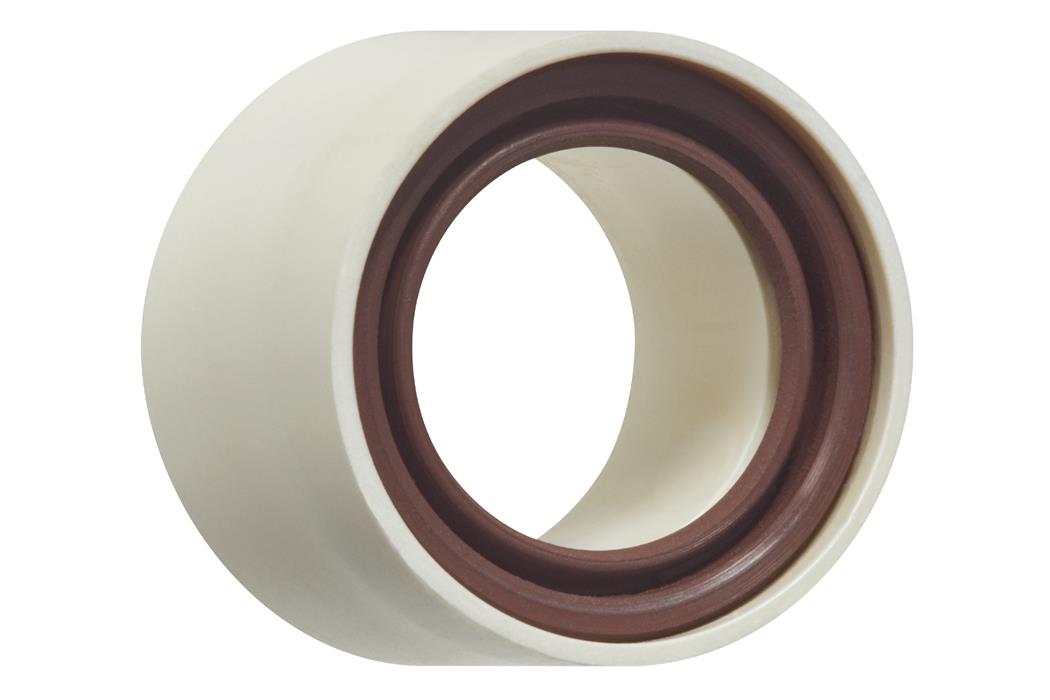
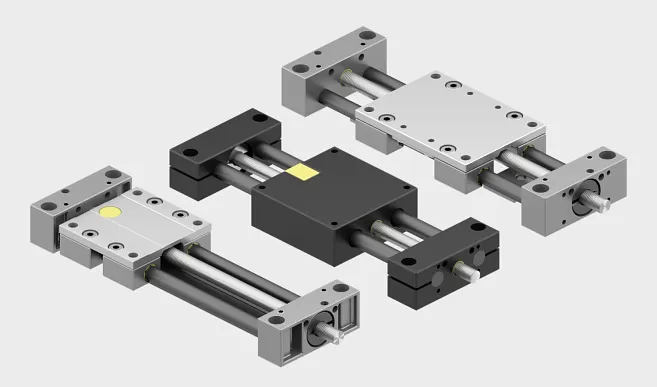
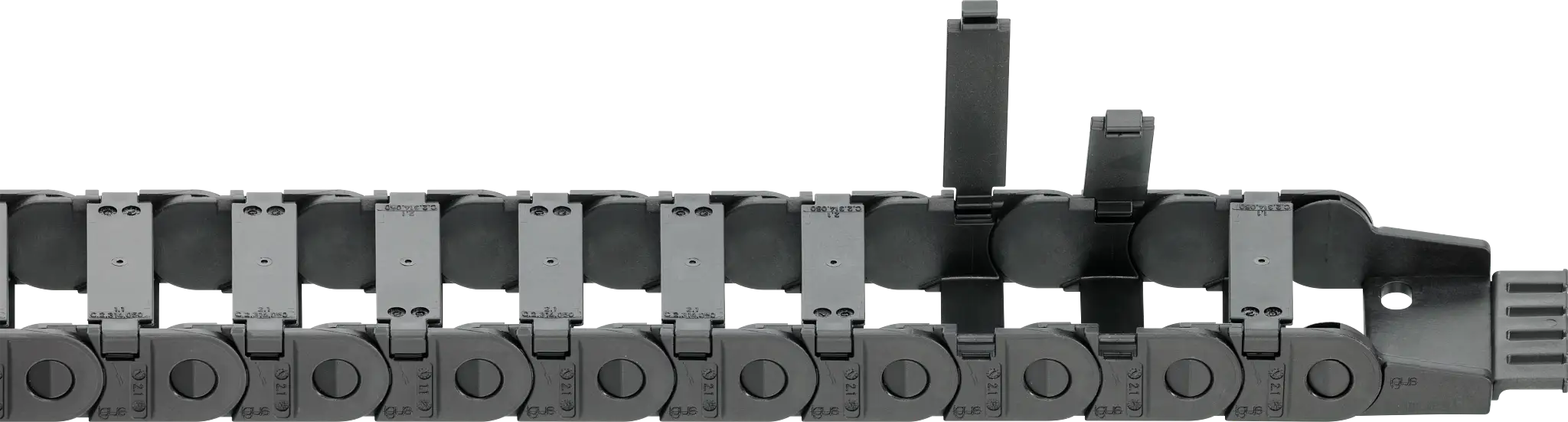
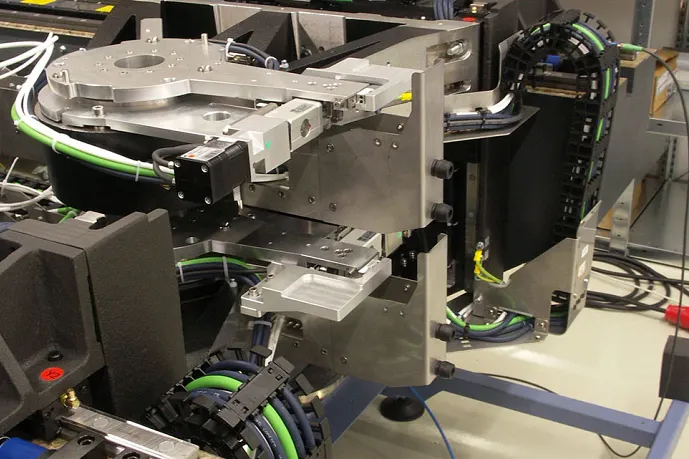


When procurement teams evaluate bearing costs, they typically compare unit prices. A standard steel bearing might cost R45, while a polymer equivalent costs R90. On that basis, the metal bearing appears to win. But this analysis ignores 80% of the real cost.
The Full Cost Model
To understand the true cost of a bearing, you need to account for the entire lifecycle: labour for scheduled greasing, grease material costs, bearing replacement frequency (which is higher in neglected or contaminated environments), unplanned downtime costs, and in food/pharma environments, contamination risk.
| Cost Factor | Steel Bearing | Polymer Bearing |
|---|---|---|
| Purchase price (unit) | R45 | R90 |
| Greasing labour (per year) | R620 | R0 |
| Grease material (per year) | R80 | R0 |
| Replacement frequency | Every 18 months* | 36–60 months |
| 5-year total (per bearing) | ~R3,800 | ~R180–R360 |
*In contaminated environments without consistent maintenance. Figures are illustrative; actual savings depend on application, environment and maintenance quality.
Where the Real Savings Accumulate
The labour cost of greasing is where the analysis turns decisively. In a typical production facility with 200 bearing points, at 30 minutes greasing time per point per month, the annual labour cost of lubrication runs to tens of thousands of rand — before accounting for the grease itself, the PPE required, and the production interruption.
The Contamination Premium
In food, pharmaceutical and water treatment applications, there is an additional risk dimension: bearing grease contamination. The cost of a product recall or batch rejection due to lubricant contamination can exceed the entire annual bearing budget by orders of magnitude. FDA-compliant, grease-free polymer bearings eliminate this risk category entirely.
Recommendation
Request a full application audit from our team. We will map your bearing points, identify the highest-value conversion candidates, and provide a site-specific total cost of ownership analysis — at no cost.